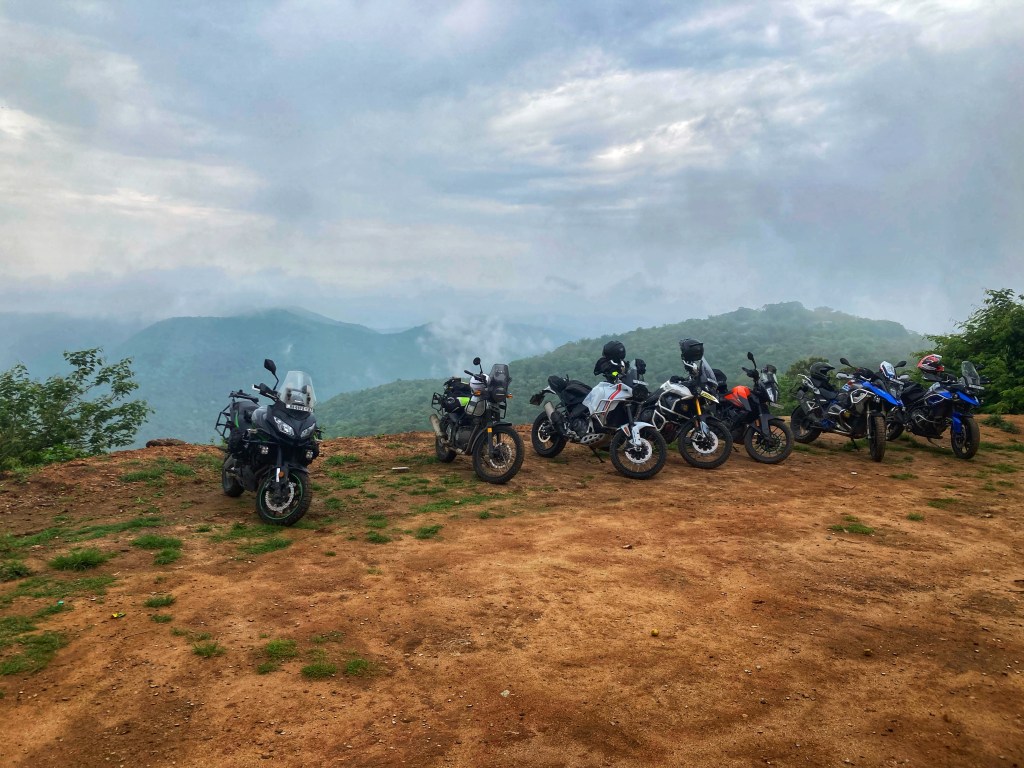
We’d been to a ride to Billekal Rangaswamy Betta a hill trail through a forest reserve off Kanakapura town. This is a great technical trail to test your off road skills. The trail has decent straight sections and some twisties.
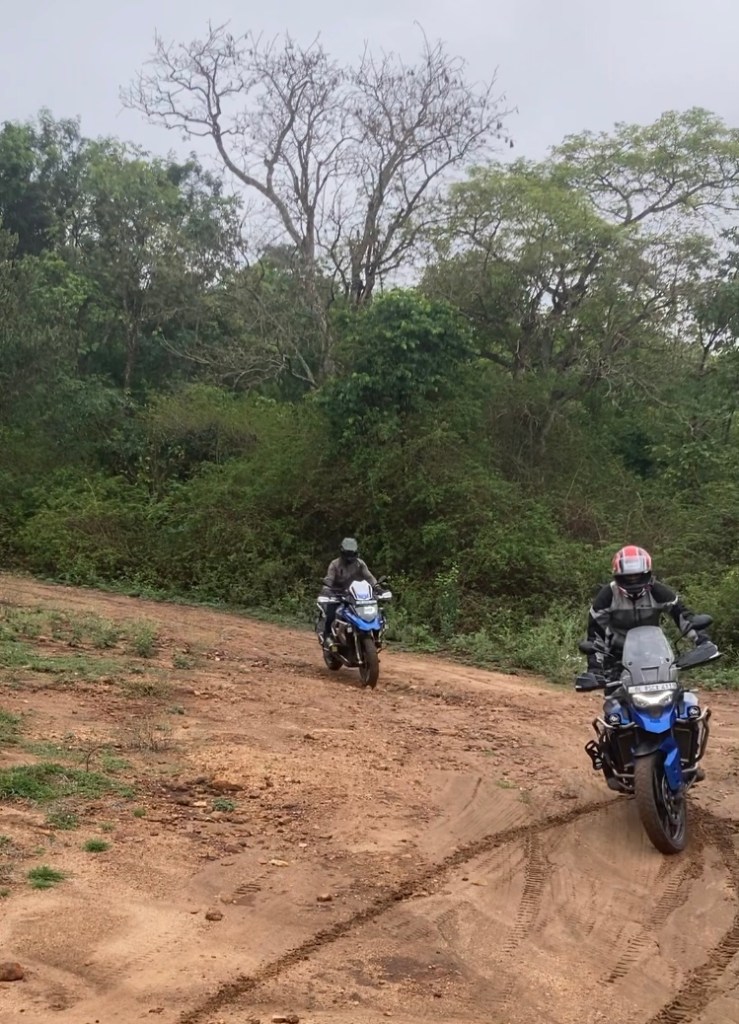
On the way down from the hill, I misjudged both my speed and the rutted gully ahead of me. The front wheel went straight through the rut and would have carried through had it not been for a large boulder sitting squarely in the middle. I felt the wheel hit the stone and had no time to control the bike. It was a hard fall! While I got off with a badly bruised shoulder, the bike took the brunt of it.
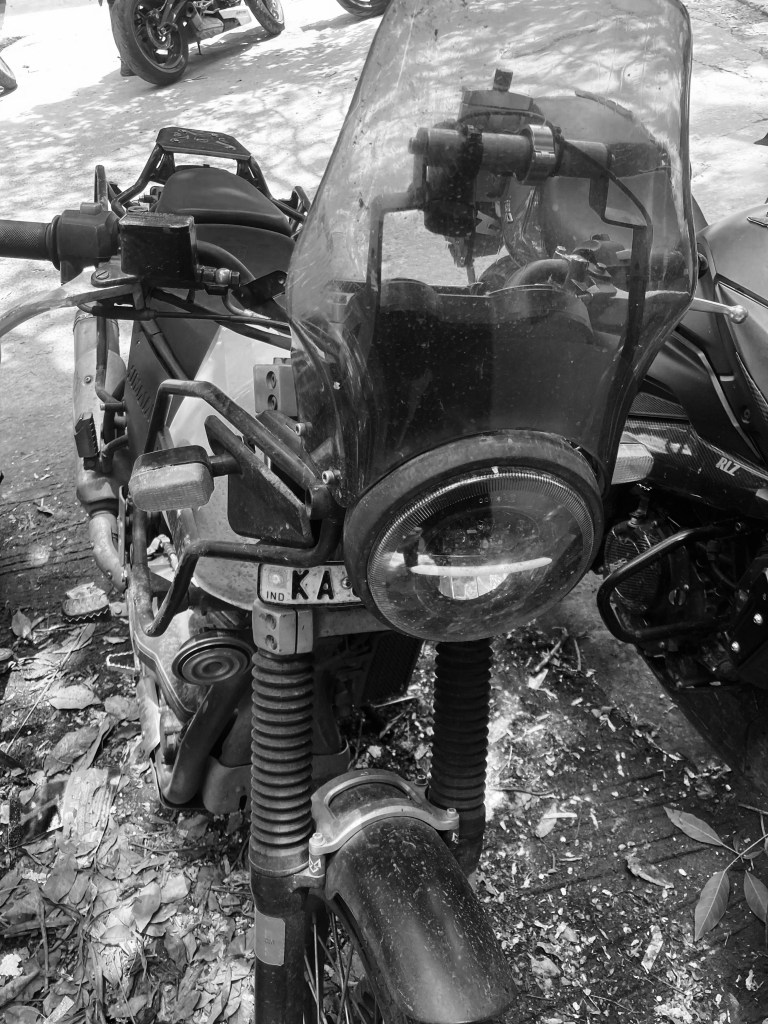
Back at my friendly neighbourhood workshop, we assessed the damage. The main chassis was intact, so was the tank and headlight. The touring mirrors I had installed are quite tough and took a beating but did not crack. Irreversible damage to the handlebars, the tank frame, the headlight assembly and the pannier frame, bent out of shape on the side the bike fell, prompted some deep thinking about the bike’s future.
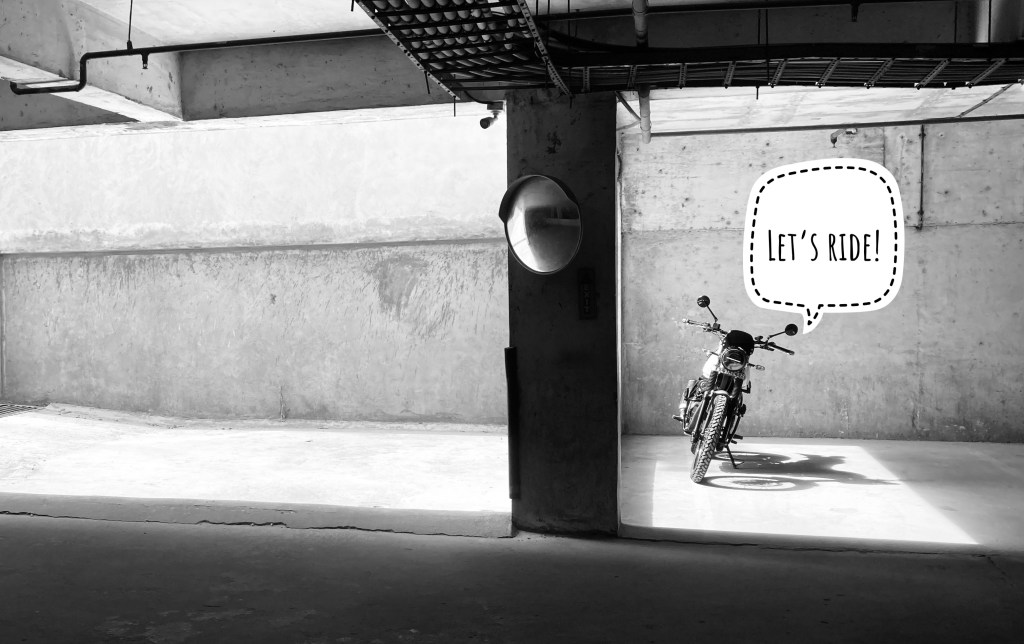
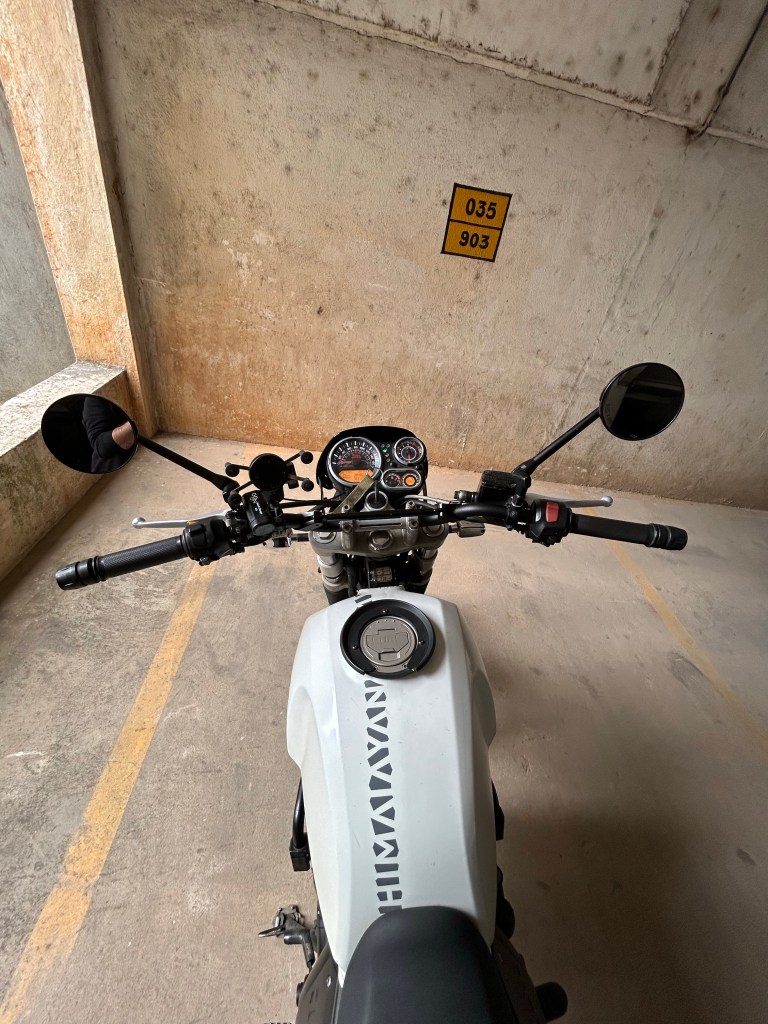
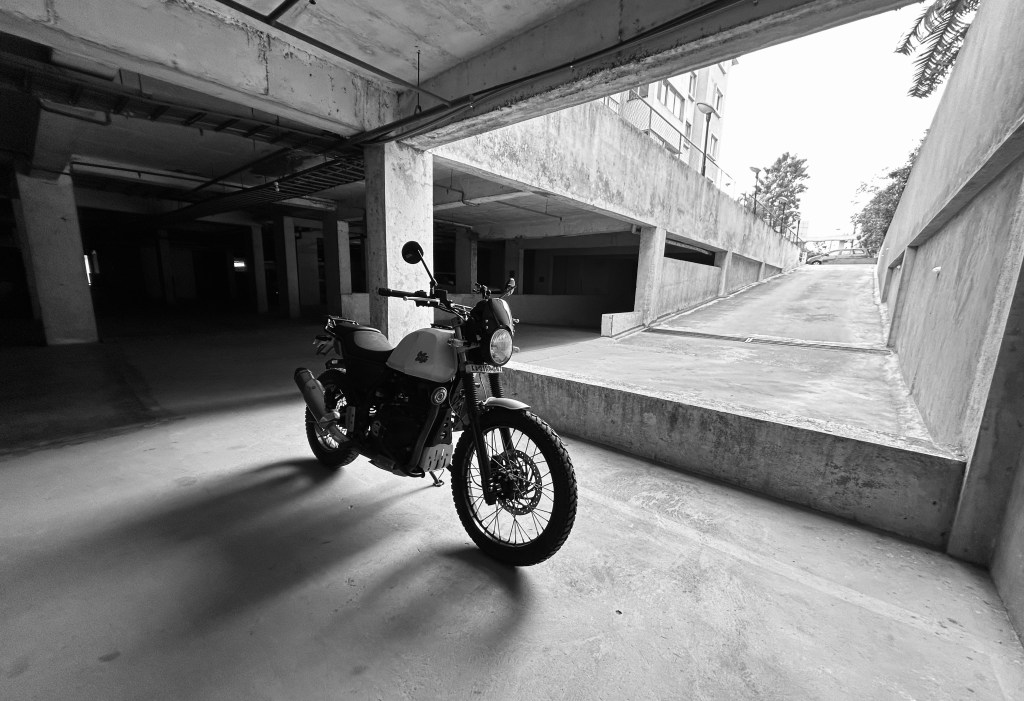
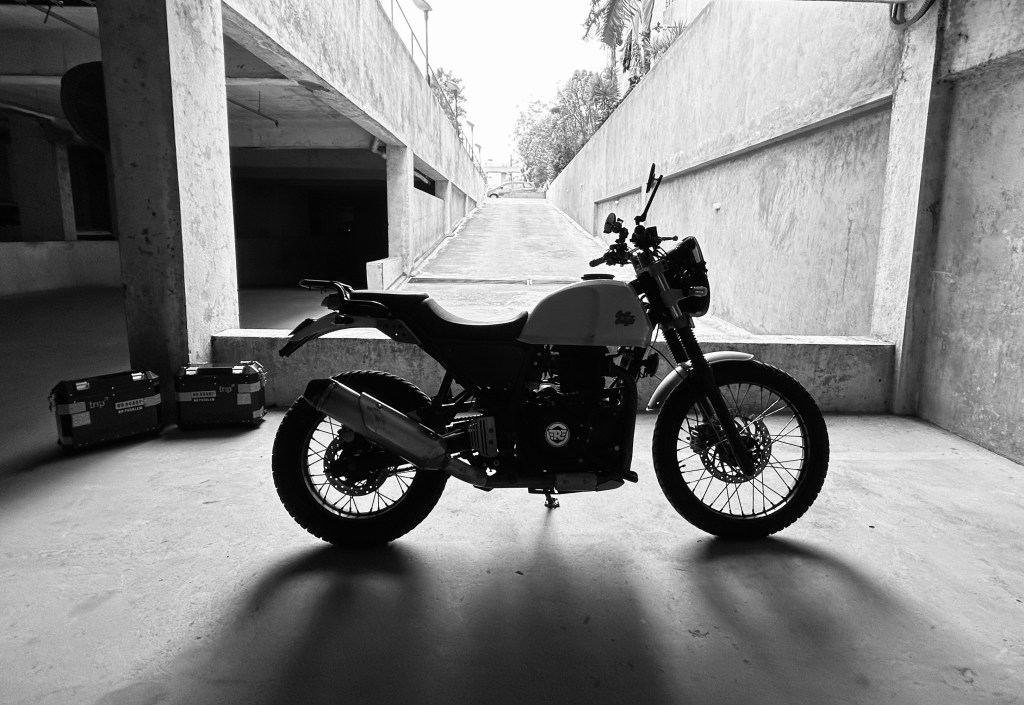
I was keen to save the bike and continue to keep it for good. Obviously to keep using it in its adventure tourer format meant a lot of expensive parts to be replaced. A viable alternative was to get rid of the damaged components completely and convert it to a scrambler.
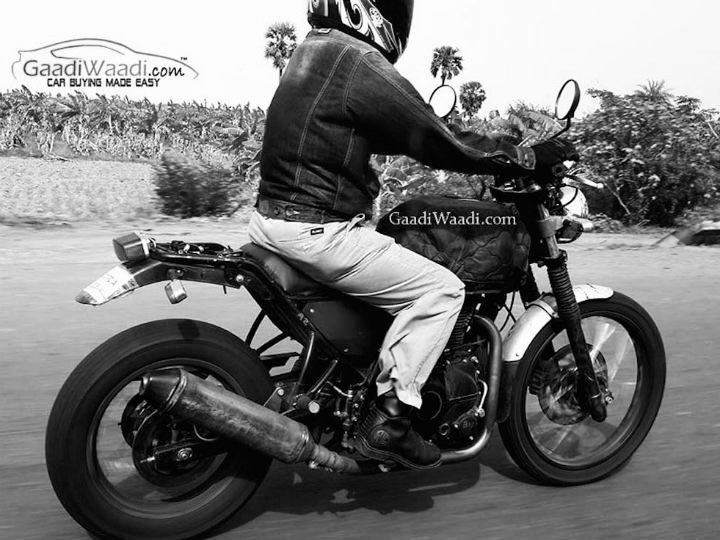
Scrolling through scrambler build ideas on Pinterest, an image of the first spy shot of the test mule Himalayan in 2015, caught my fancy. This bike took parts off the single cylinder Continental GT 535 while testing the engine and frame. It looked more scrambler than anything else, with no indication of the adventure genes that would define the look of the Himalayan when launched next year.
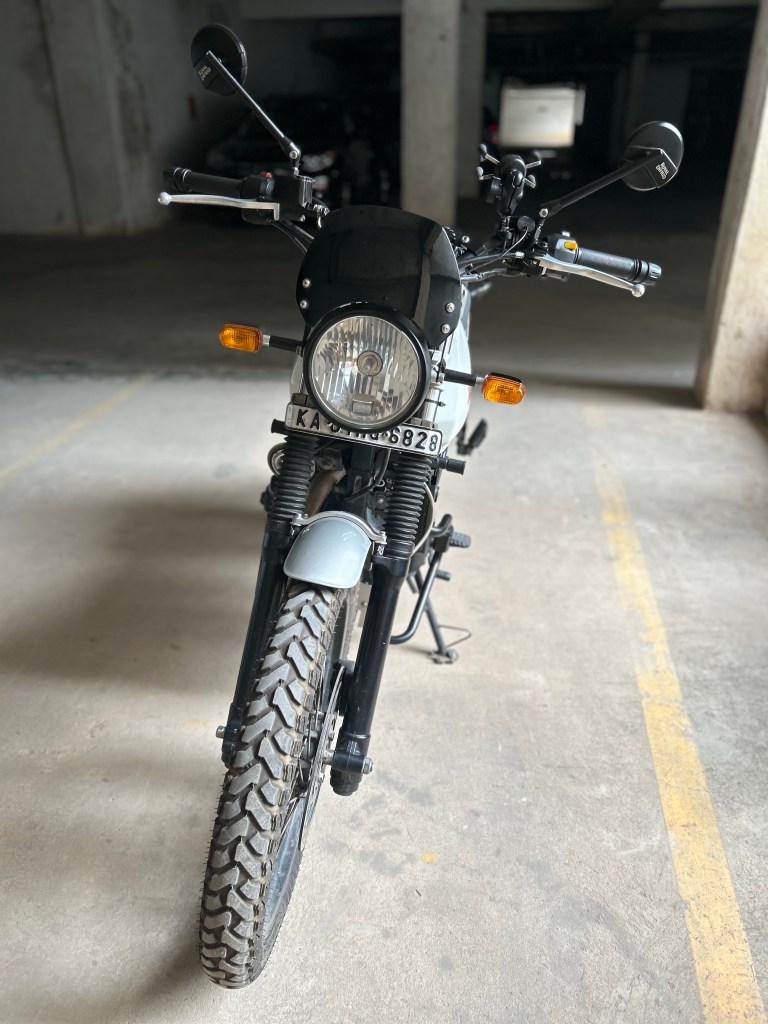
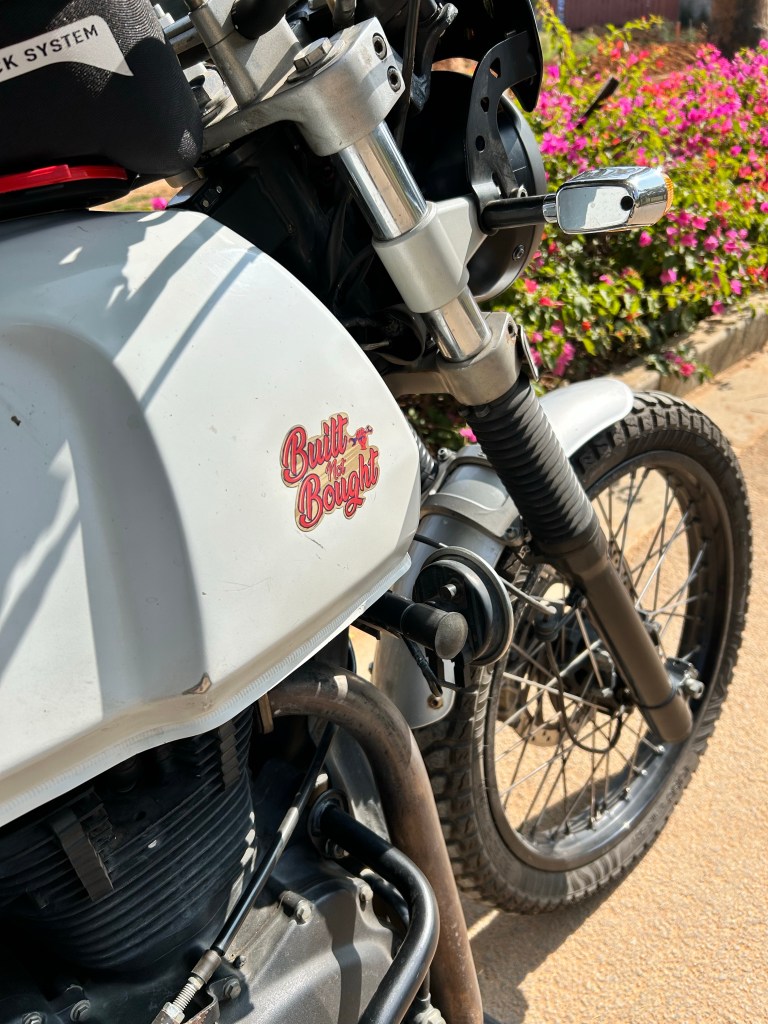
I decided to pay homage to this test mule. It seemed like a good direction to take. The first order of business was the headlight mount. I had seen many folks use the headlight bracket from the Interceptor 650, on the Himalayan. This was an easy buy and fit. The instrument cluster however, needed to have a custom fabricated mount. We wanted to retain the base plate for the instrument cluster which involved some bit of tinkering with the fabrication and welding of the clamp to get the mounting angles right. This was the longest and most painstaking part of the build.
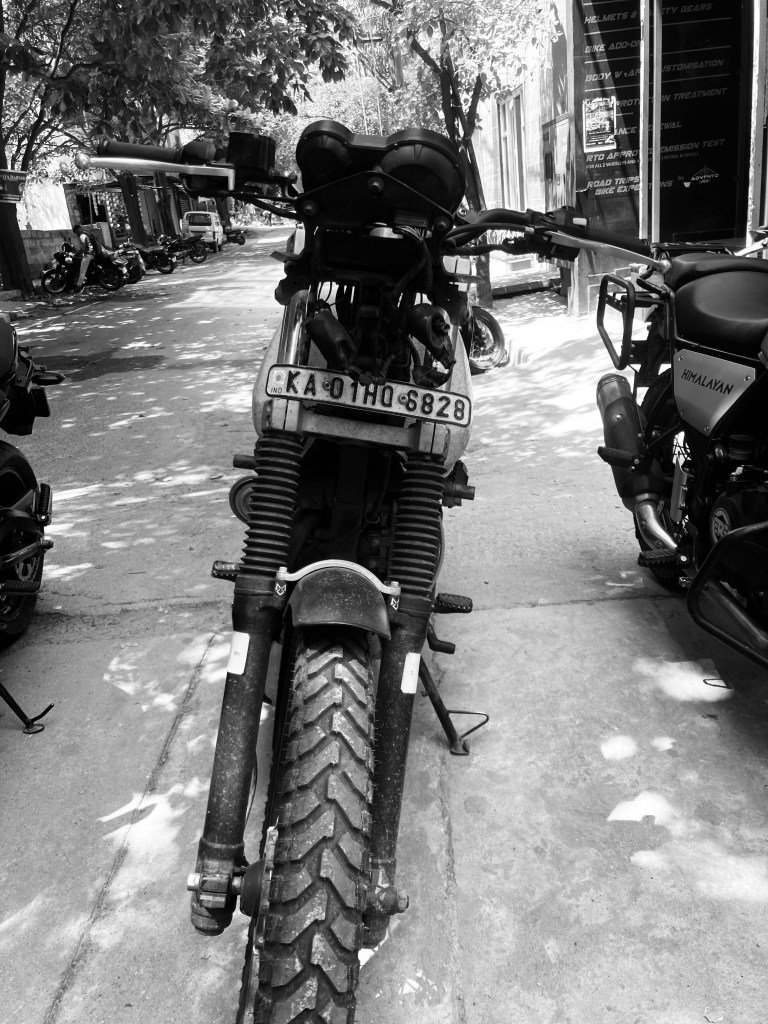
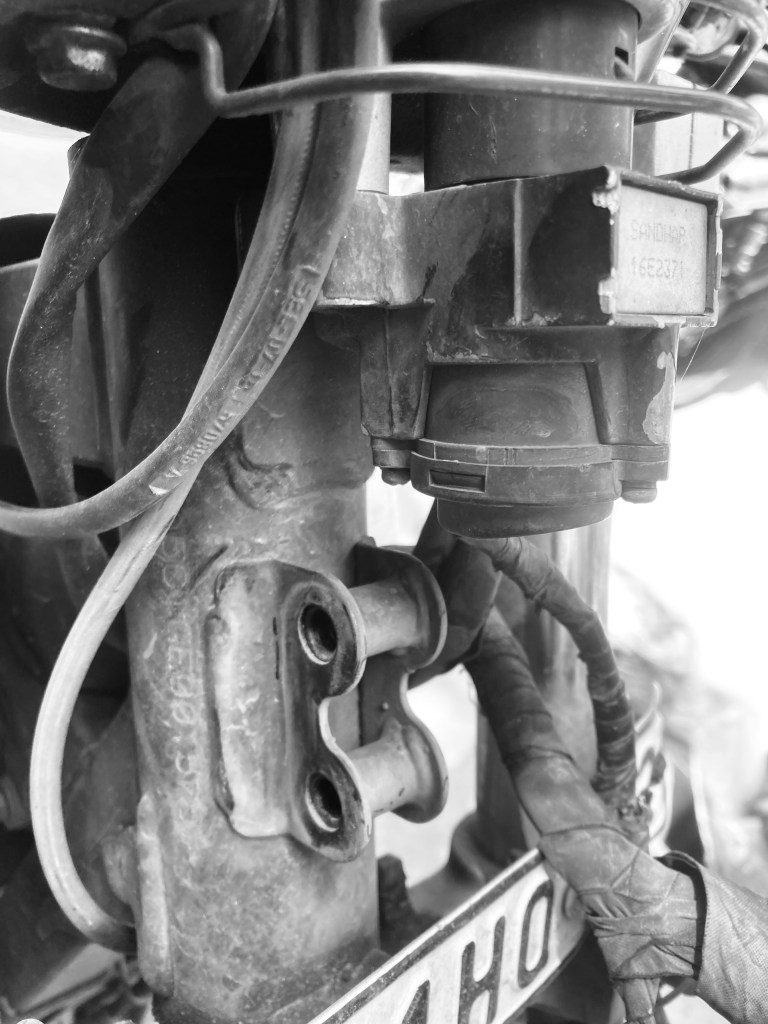
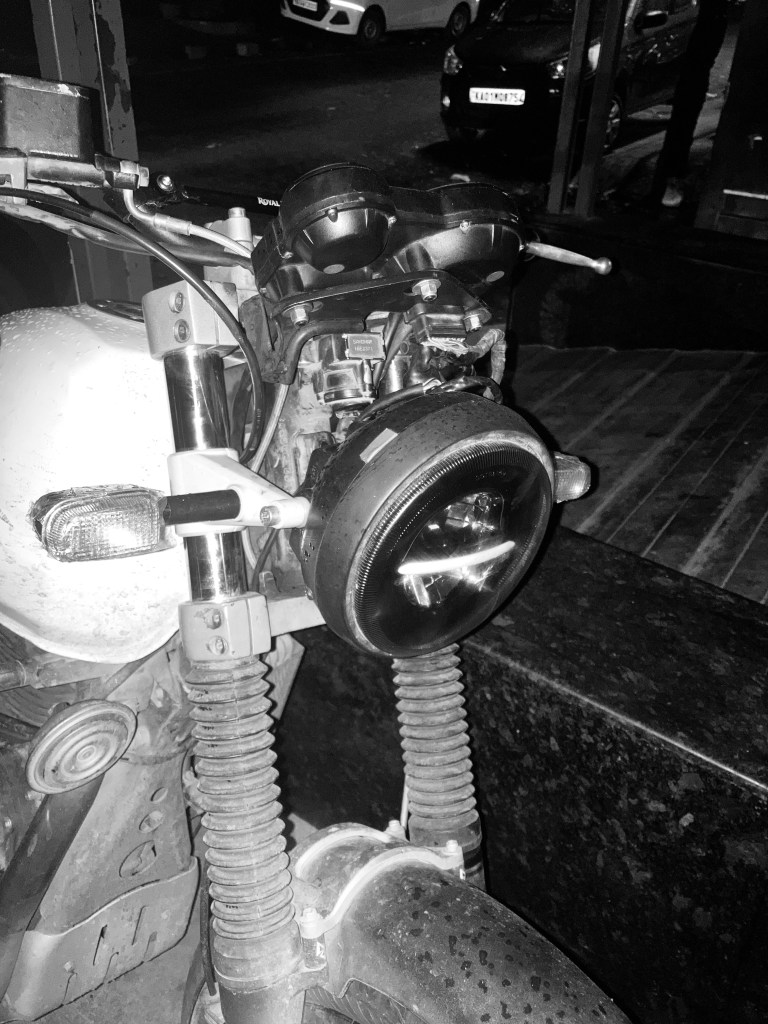
My friends at Highlander Moto, however, took lots of care to lovingly change the bike, to the look I desired. Taking time out of his busy schedule, Karthik bhai, slowly but surely brought the scrambler to life. The stock mudguard was looking too bulky on the reduced front, so I suggested we add the mudguard from the Interceptor as well. After a month and a half at the workshop, the bike returned in a new avatar.
Quick errands in the neighbourhood and a couple of commutes to the office offered tempting insights into the true nature of the bike. With a good 15 kgs removed in the frames, the bike feels light and fast. A proper highway run would give a better picture. Hope to do that soon!
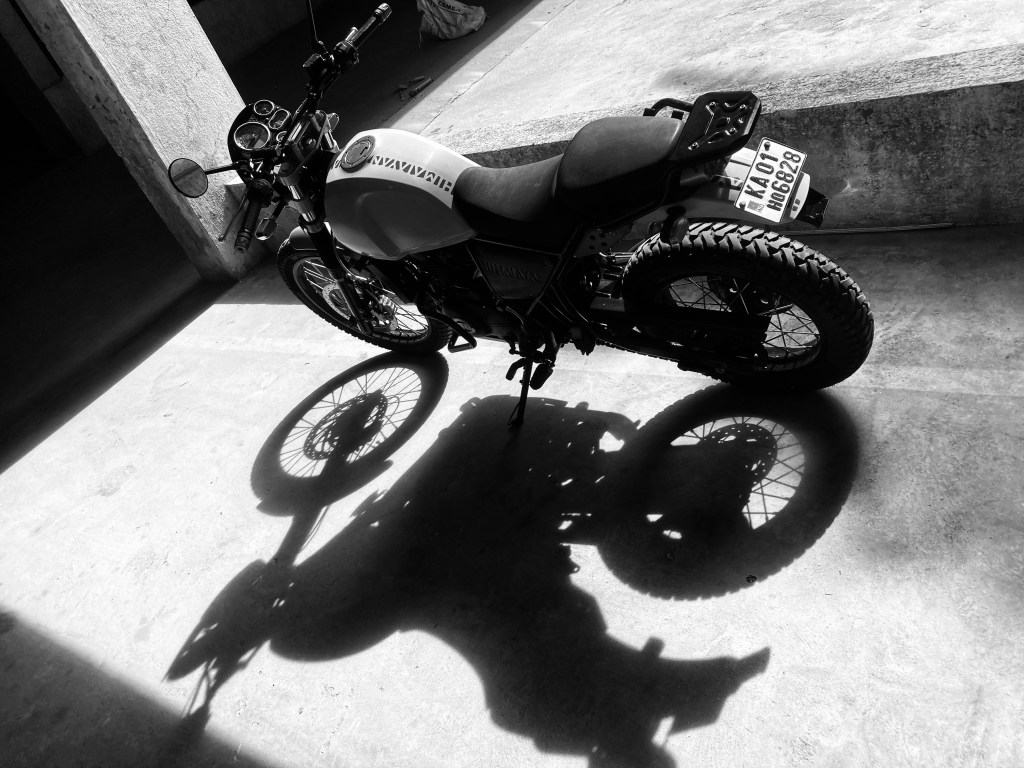
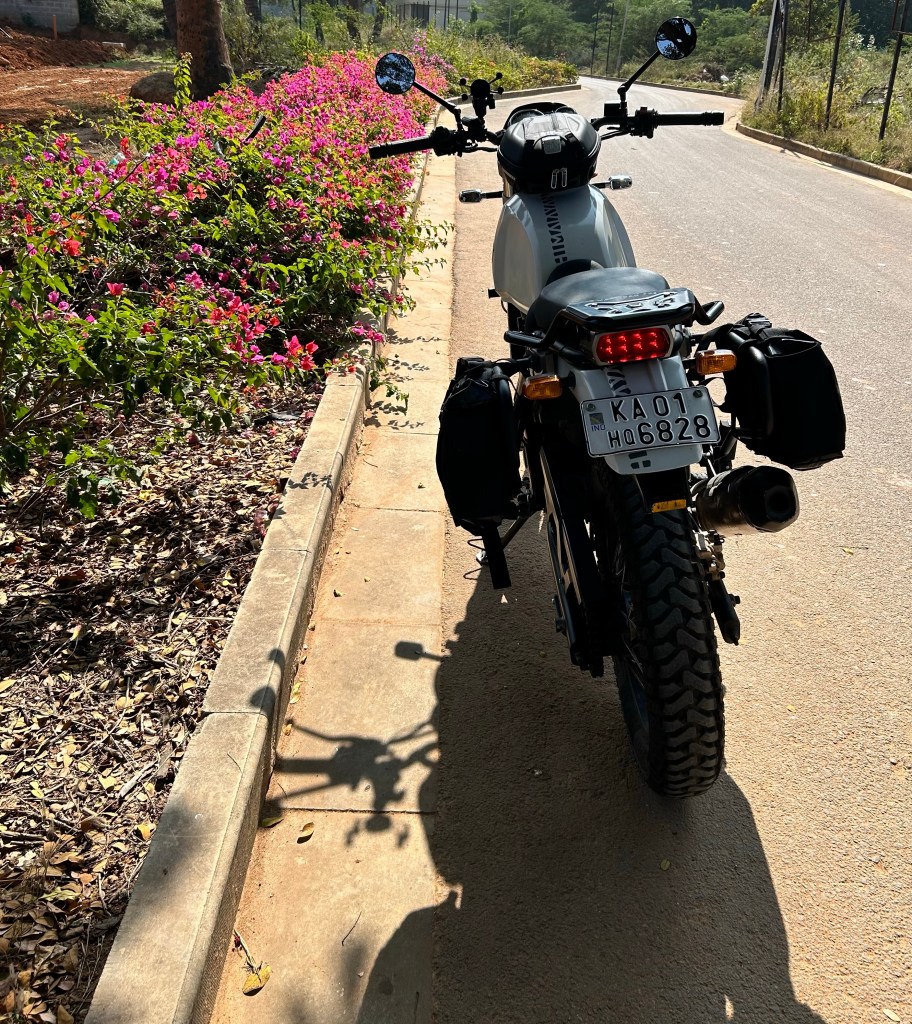
Couple of dry bags with the Givi tank bag on should suffice for weekend trips.
 yonder blue mountain...